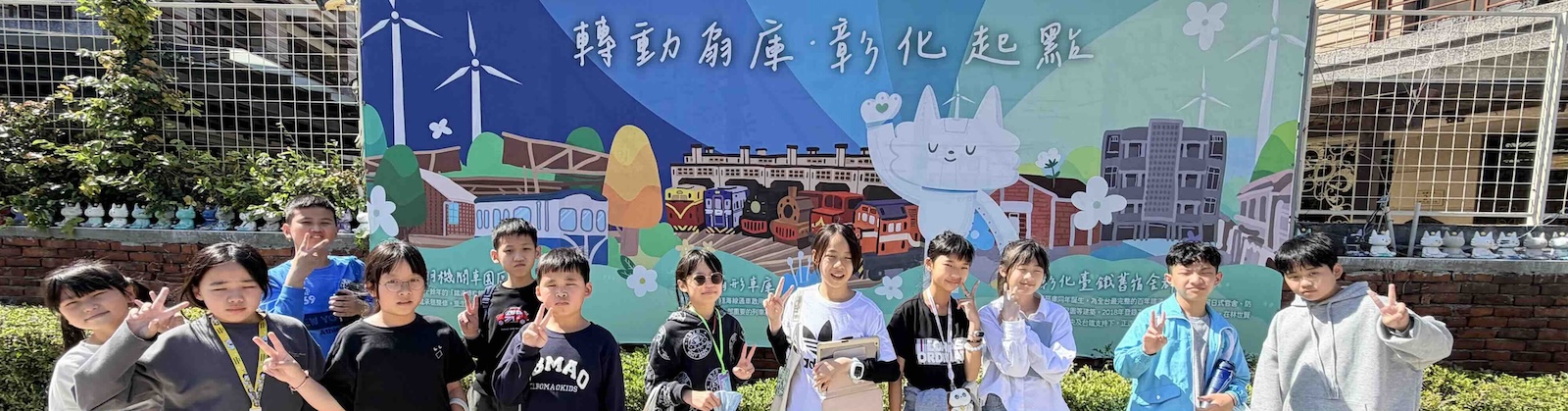
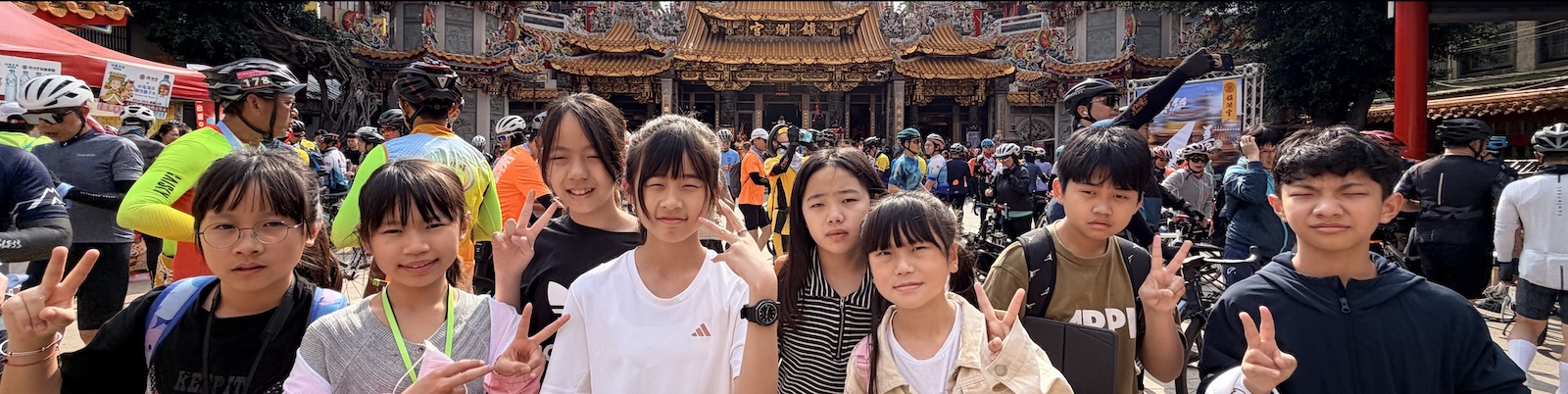
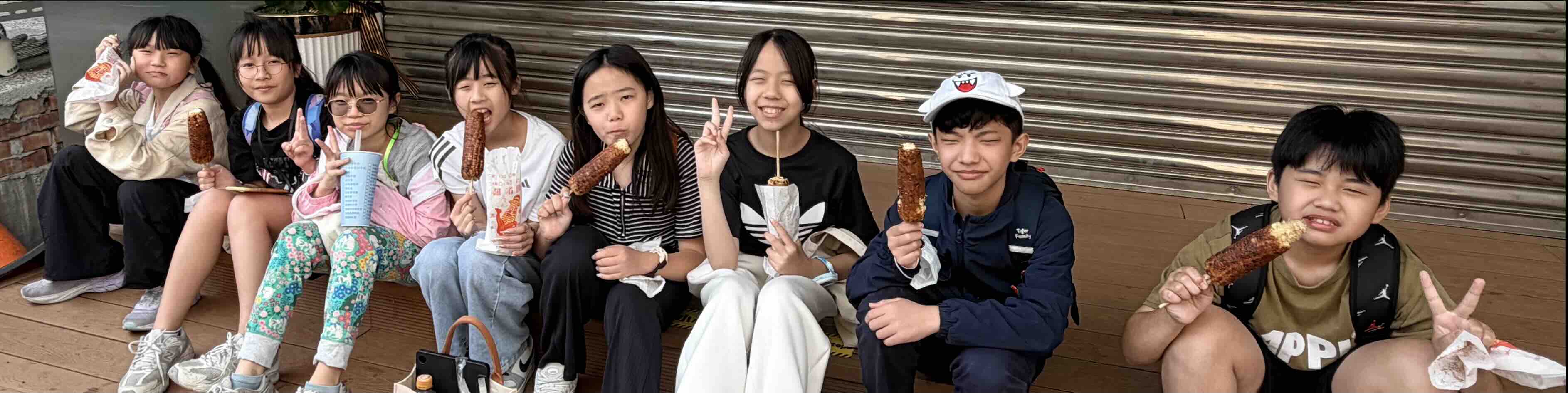

Looking back, it has been twenty-nine years since I, Yi-Sheng, first stepped into the teaching profession. Watching countless children learn and transform in the classroom, I have always firmly believed that the most profound education often takes place outside of textbooks. This year, in preparation for the 2026 Cyberfair, we decided on the theme "Introduction to Famous Attractions Around Railways in Central Taiwan," leading the children from our familiar Yuanlin on a railway exploration journey that integrates history, faith, and culture.
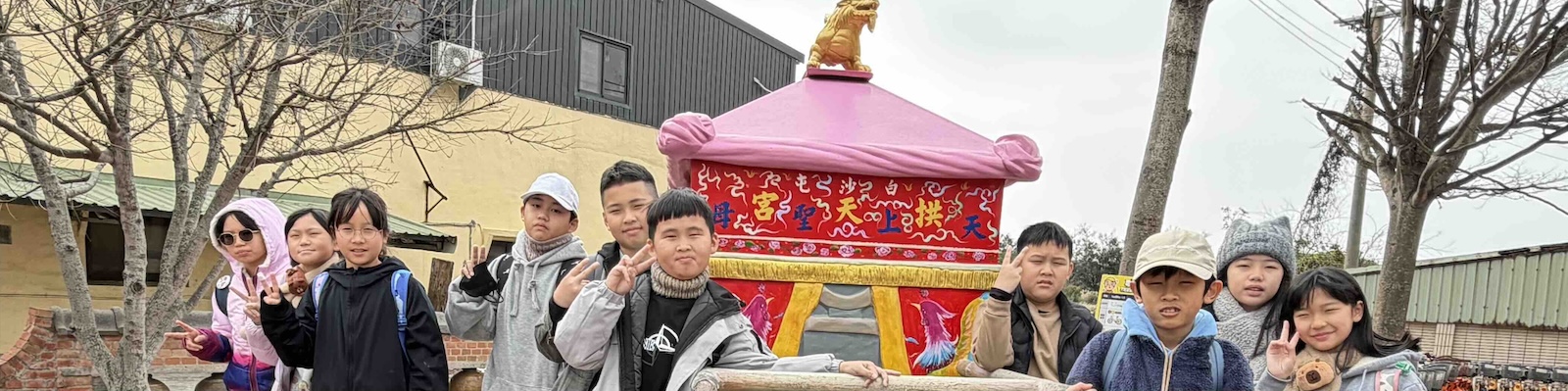
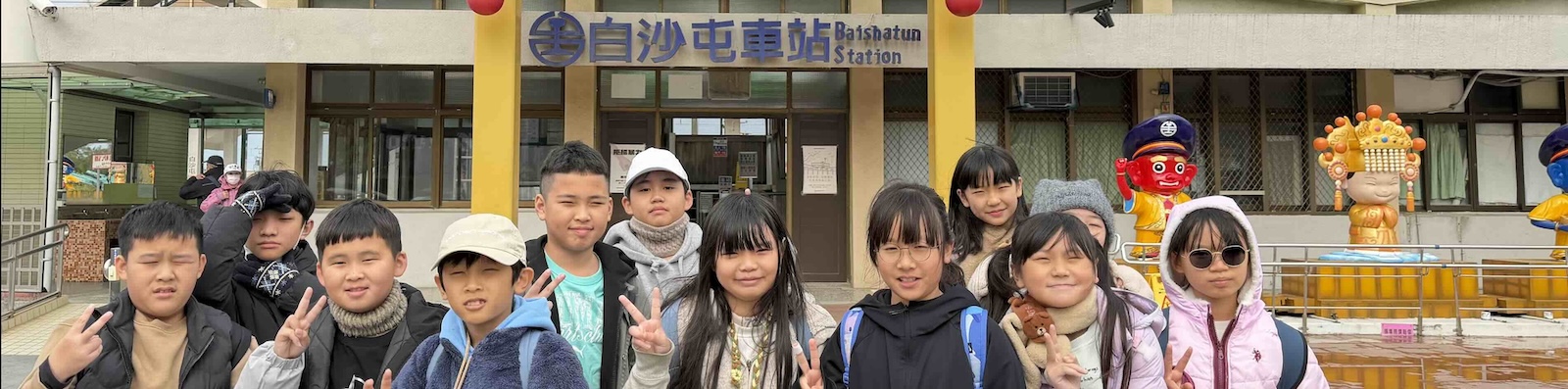
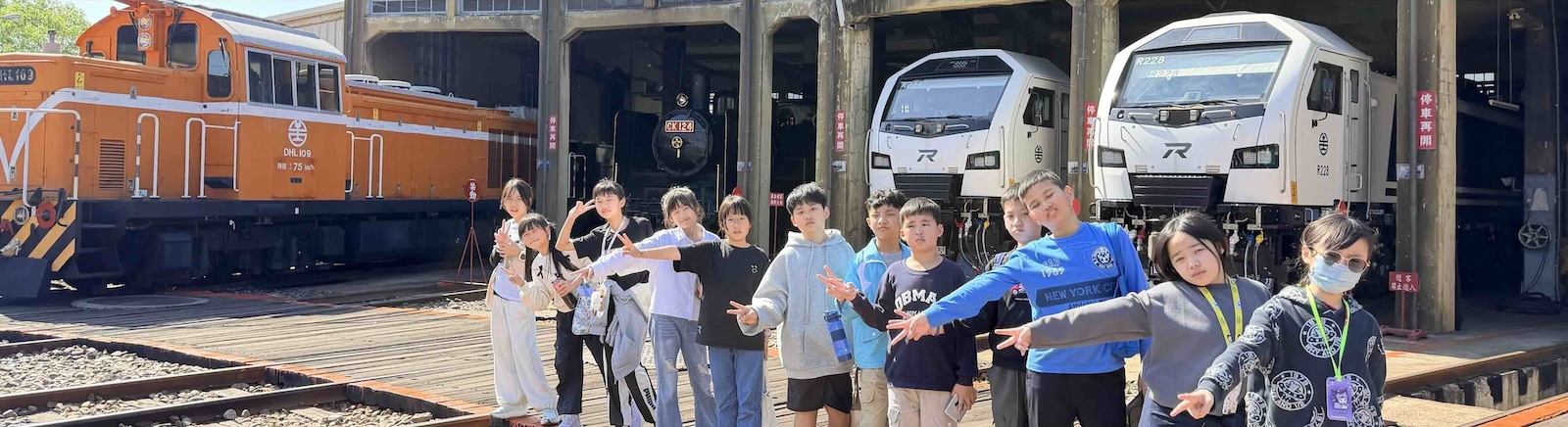
Leading elementary school students in such an in-depth project research is a challenging yet highly meaningful task. From the steam locomotive memories at the Changhua Roundhouse and the spatial revitalization of the Taliwu Cultural Park, to the devout faith of Baishatun and Dajia Mazu, as well as the baptism of knowledge at the National Museum of Natural Science and the National Library of Public Information, we hope the children can personally experience the diverse facets of central Taiwan through the tracks of the train. As their guiding teacher, what moves me the most is not the massive database they ultimately collected, but witnessing their growth throughout the journey. Seeing them full of curiosity like little explorers, watching them overcome their shyness to bravely interview local shop owners, and observing them diligently taking notes in the swaying train carriages—these authentic experiences and reflections are the most precious rewards of education.
The process of creating this project was by no means smooth sailing. From the arduous fieldwork and the complex organization of data to the final website construction, everything was a brand-new trial for the children. However, seeing them learn teamwork amidst frustration, learn communication and tolerance during disagreements, and ultimately transform their observations of this land into rich webpage content, I feel deeply proud. This railway journey not only broadened their horizons but also planted the seeds of caring for their hometown in their hearts. I hope this love for Taiwanese culture and the courage to explore the world will continue to extend along the railway tracks, accompanying them toward a broader future.
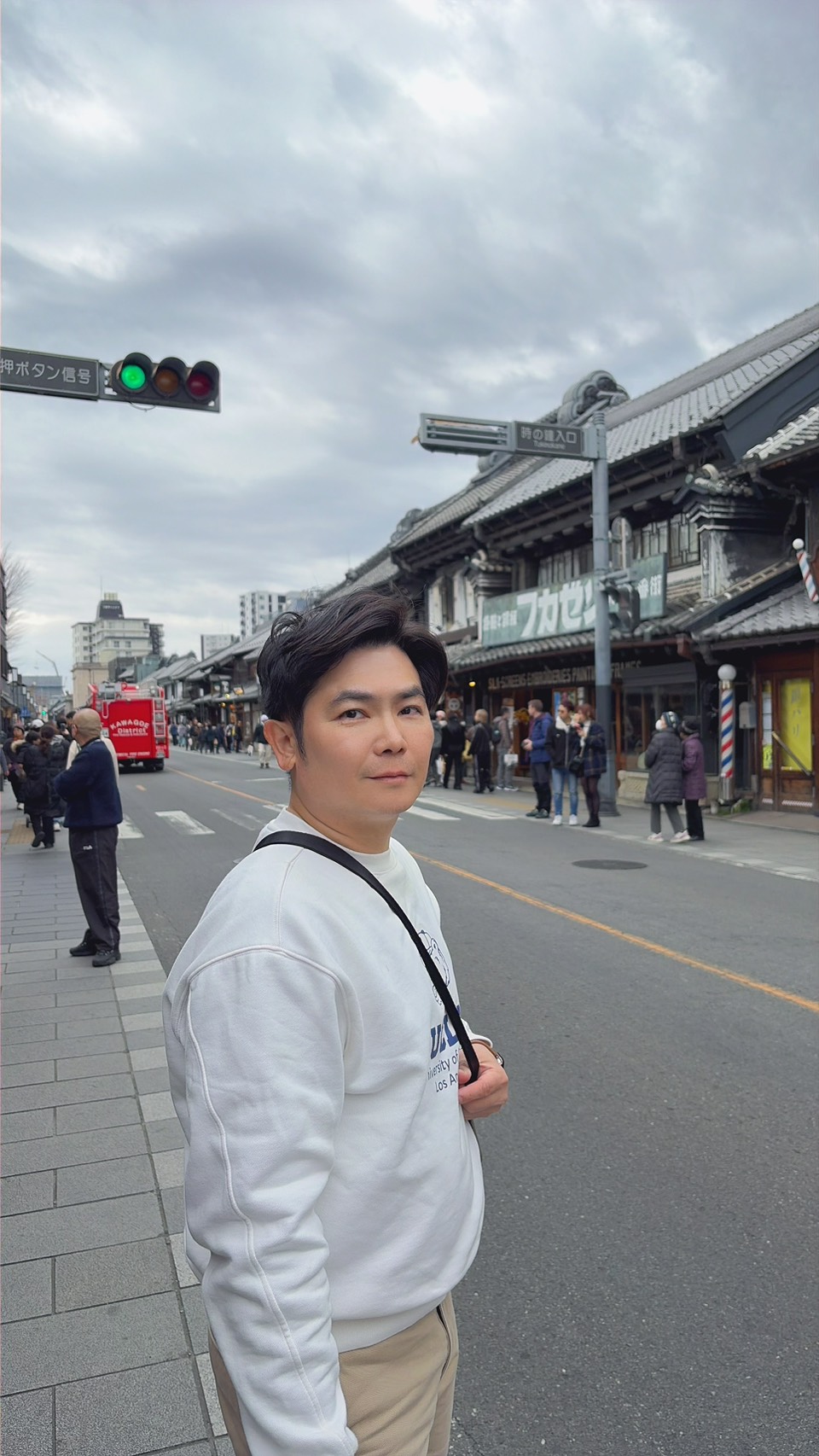
As an educator who has taught at Jingxiu Elementary School for many years, leading children to participate in the Cyberfair has always been a project-based practical activity that I highly value. This time, we extended our research perspective to Changhua's precious century-old railway hub, the "Changhua Roundhouse," and delved into the daily living sphere of our local Yuanlin. This included the highly venerated Funing Temple, the bustling First Market and Longdeng Night Market, as well as Guohua Furniture, an enterprise deeply committed to education and public welfare.
Watching the students grow from being unfamiliar with local history in the early stages to taking the initiative to collect literature, conduct field trips, and even utilize technological tools to transform complex data into vivid bilingual web pages in Chinese and English, has been truly moving. The essence of education lies in guidance. This project is not only an in-depth local education that allows children to rediscover and identify with their hometown, but it also cultivates their core competencies in problem-solving and teamwork through cross-disciplinary exploration. Watching the project website take shape step by step has undoubtedly been a beautiful and fulfilling journey of co-learning between teachers and students.
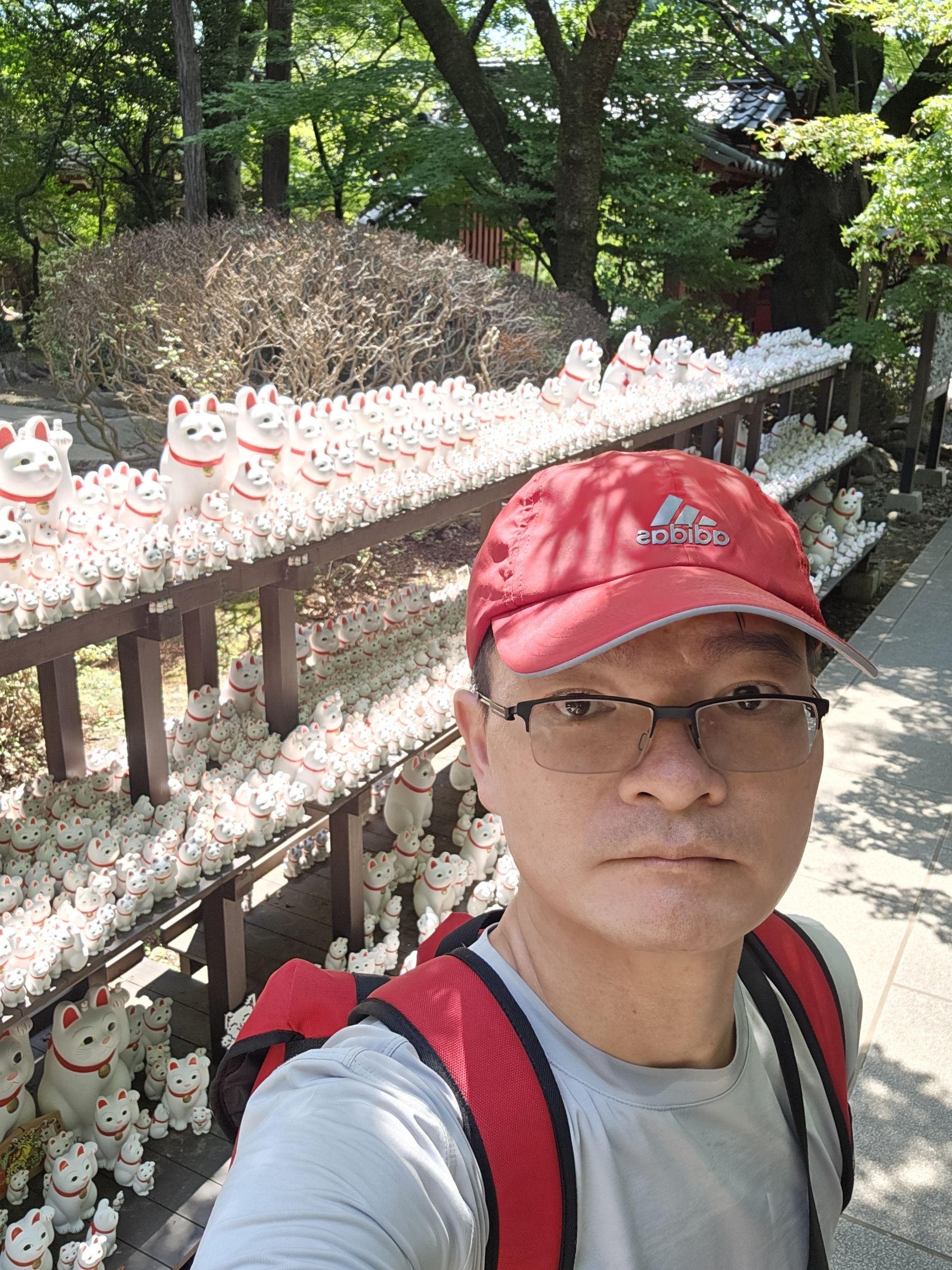
Leading students out of their comfortable classrooms and into the streets of a town full of human warmth is a challenging yet incredibly fascinating teaching task. In this Cyberfair project inquiry, I saw the children's surprising resilience and potential. During their visits to Funing Temple and the First Market, they learned how to muster the courage to politely conduct fieldwork and interact with elders. When interviewing an outstanding local enterprise, they deeply experienced the heartwarming value of an entrepreneur's philosophy: "taking from society and giving back to society."
From being initially overwhelmed by complex historical data to finally being able to systematically transform what they saw and heard into touching web pages, the children's progress in written expression, communication skills, and information integration is obvious to all. This was a wonderful journey beyond textbooks. I hope this learning experience of connecting with the land will plant a warm seed in their hearts, ensuring that no matter where life takes them in the future, they will never forget their care and profound love for their hometown.
