



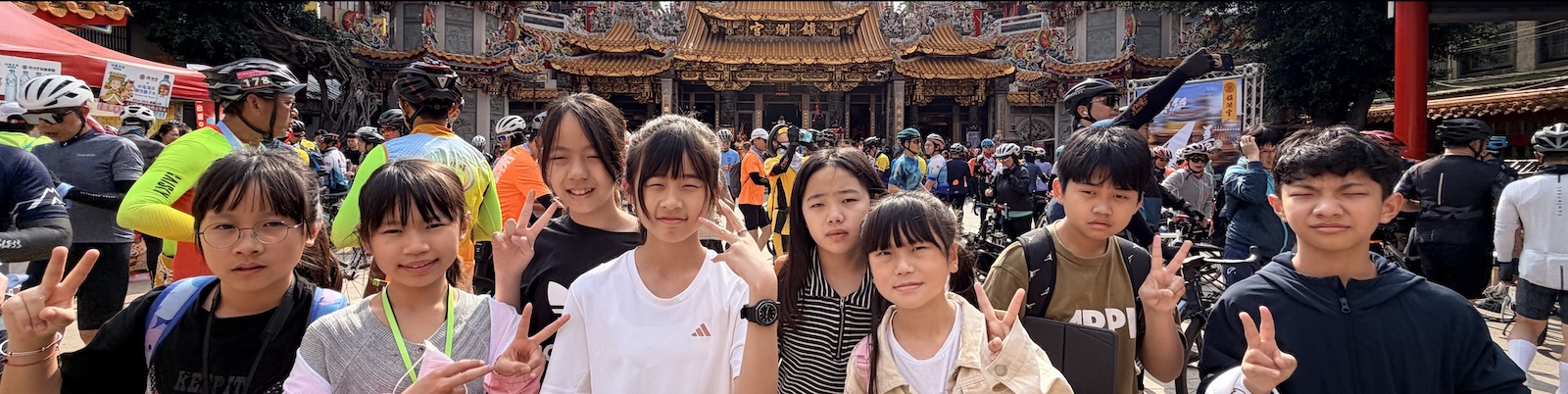

The Mazu belief is the most representative and mobilizing folk religion in Taiwan. The compassionate, mother-like image of "Grandma Mazu" is deeply rooted in people's hearts, earning her the title of "Taiwan's First Goddess." Originally the patron deity of seafarers, her belief was brought to Taiwan by early pioneers who crossed the treacherous "Black Ditch" (Taiwan Strait). It has since penetrated every corner of the island, evolving into an all-around guardian deity protecting people's health, careers, agriculture, and families. The annual "March Madness for Mazu" during the third lunar month is a globally recognized religious event. These large-scale procession and pilgrimage activities were once acclaimed by the Discovery Channel as one of the world's three major religious festivals, and the Mazu belief itself has been recognized by UNESCO as an intangible cultural heritage of humanity.
 Grand pilgrimage of Mazu
Taiwan's Mazu pilgrimage culture presents diverse facets, with the most representative being the fascinating cultural contrast between "Dajia Mazu" and "Baishatun Mazu." The Dajia Mazu pilgrimage is known for its rigorous organization and fixed route, making it a perfectly planned sacred journey. In contrast, the Baishatun Mazu is famous for its "mysterious guidance"—the pilgrimage route is entirely determined on the spot by the divine palanquin (affectionately nicknamed the "Pink Supercar"), allowing believers to experience a profound sense of the sacred amidst surprise and devotion. The most heartwarming feature along these pilgrimage routes is undoubtedly the "free refreshment stations" spontaneously set up by local residents, as well as the ritual of "crawling under the palanquin," where believers respectfully kneel and bow to seek blessings. These traditions not only demonstrate deep devotion to Mazu but also perfectly embody the strong human warmth and community cohesion of the Taiwanese people.
